
What Is a Community Land Trust (CLT)?
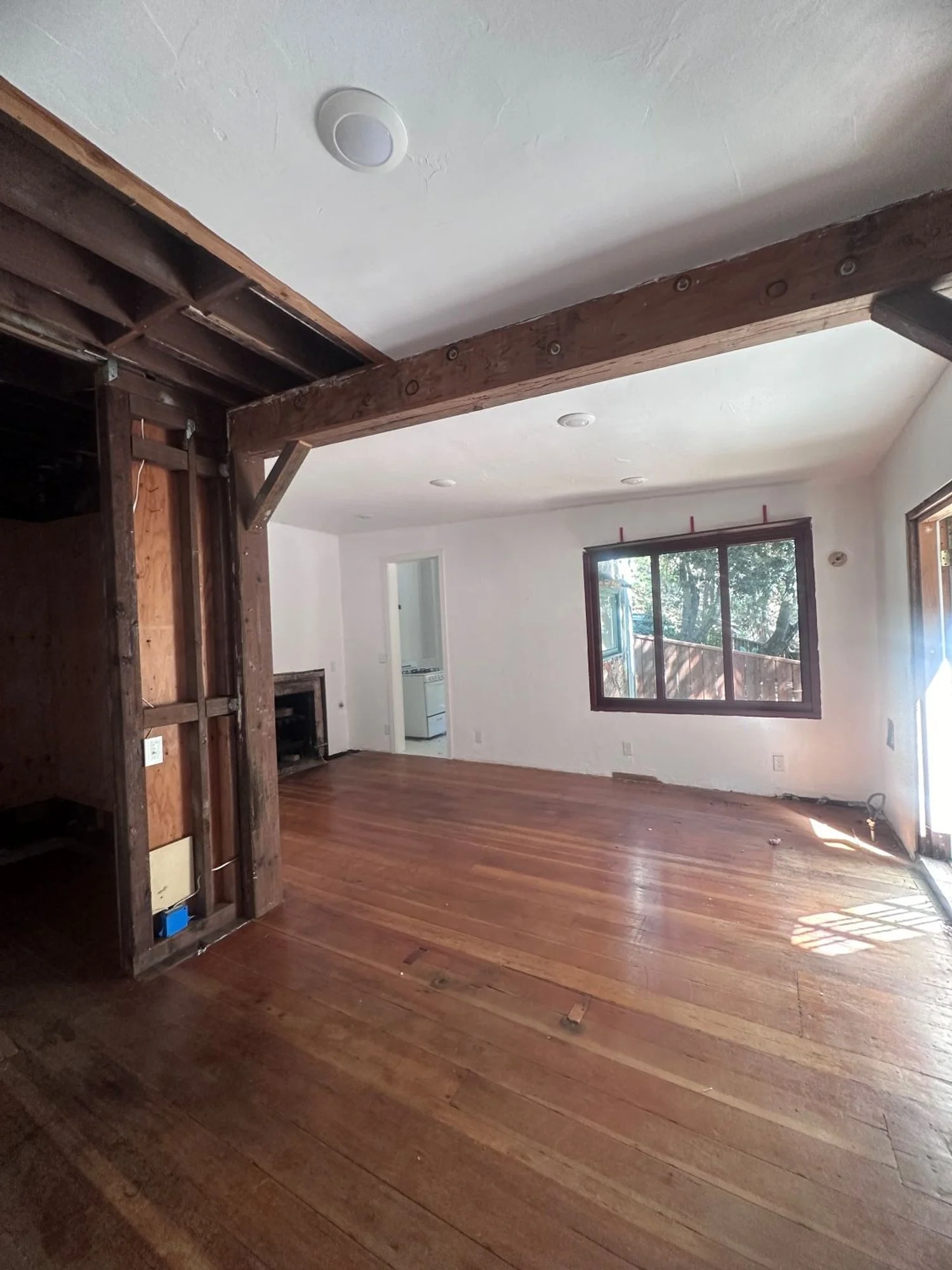


Photo credit: C. Wagner Photography
A core tool for building the AST Artist Housing Commons
Artist Space Trust uses the Community Land Trust (CLT) model as a primary — but not exclusive — tool to build and steward the Artist Housing Commons. CLTs allow housing to be held outside the for-profit real estate market and governed with long-term affordability, care, and community accountability at the center.
Our goal is not rapid production, but durable, values-aligned housing that keeps artists and culture bearers rooted in the communities they help shape. AST brings homes into the Commons through a range of pathways — including preserving existing properties and participating in new development when it aligns with our mission. Whether through acquisition, partnership, or development, CLT structures help ensure housing remains affordable, well cared for, and accessible to artists across generations.
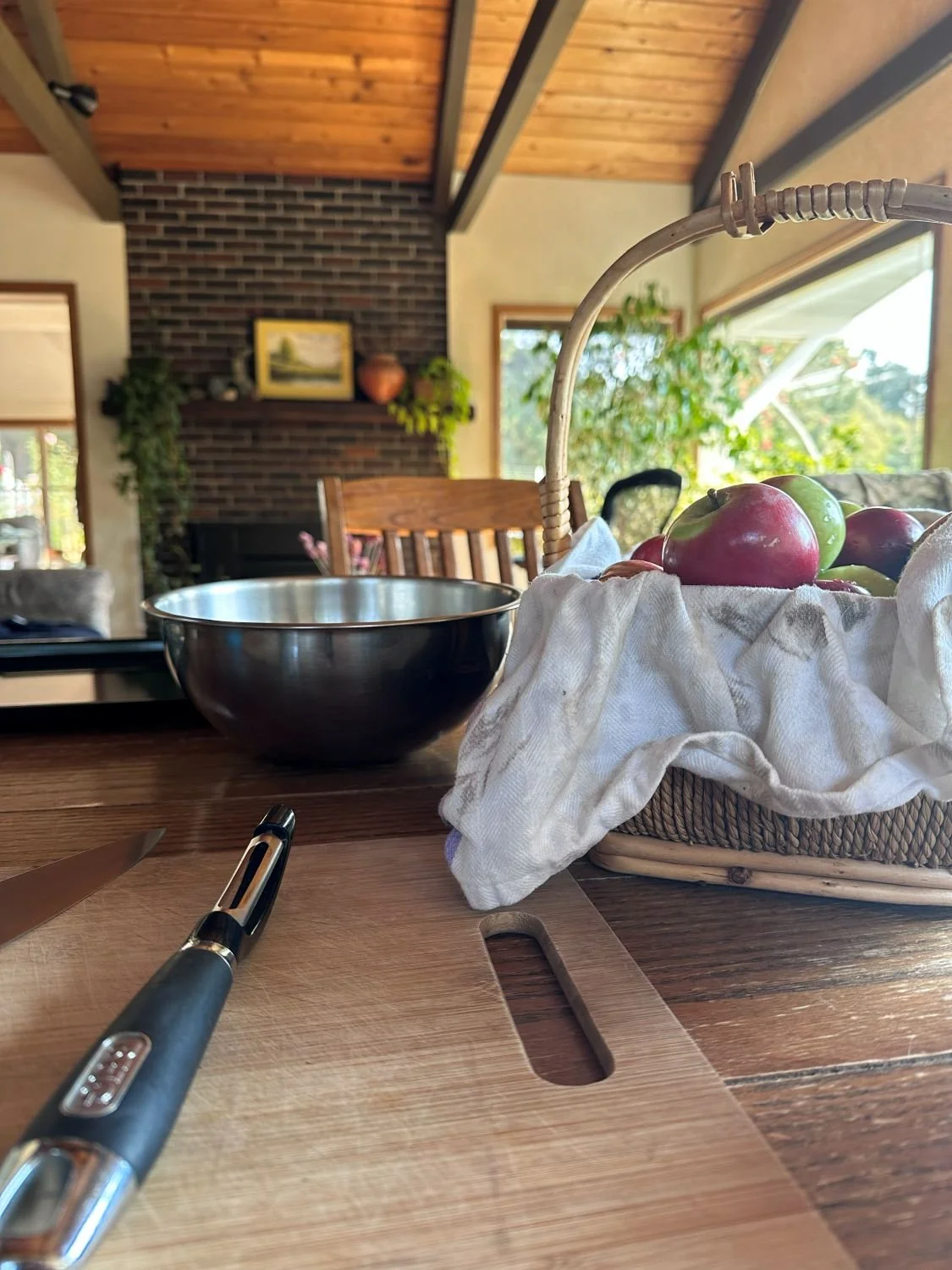
The Basics: How a Community Land Trust Works
A Community Land Trust (CLT) is a nonprofit, community-centered housing model that creates homes and spaces that remain permanently affordable for community use. CLTs sell or rent homes to low-income individuals and families at prices far below market rate, ensuring long-term stability for people who would otherwise be priced out of their communities. In California, “low income” is determined by the state using local income data and Area Median Income (AMI) guidelines.
CLTs are governed by a tripartite board made up of residents, community members, and organizational representatives. This ensures accountability, transparency, and decision-making that reflects community needs—not market pressures.
Want to learn more?
AST offers free workshops that introduce Community Land Trusts, artist homeownership, and shared stewardship models.
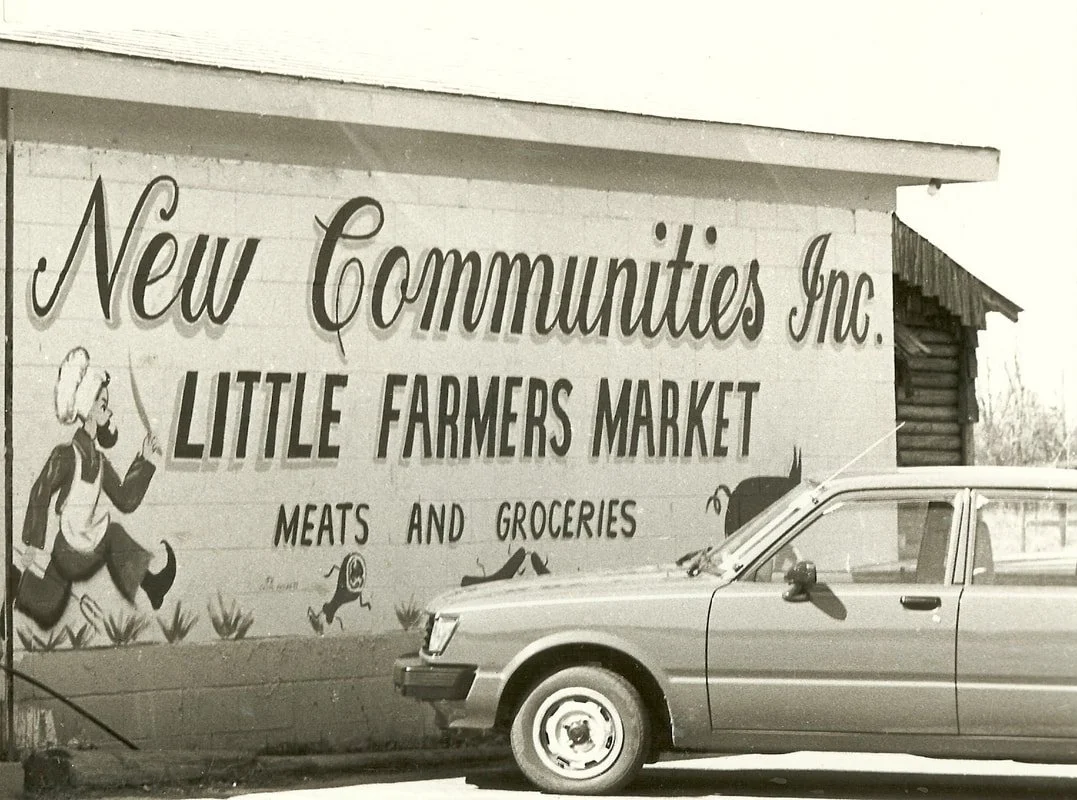
A Civil Rights Legacy
The Community Land Trust model emerged during the Civil Rights Movement as a response to racial and economic injustice.
It was first developed in rural Georgia to support Black sharecroppers who were evicted from their land for registering to vote. The core principle was radical and enduring: land should serve people — not profit.
Since then, CLTs have been adapted worldwide to address housing insecurity, displacement, and inequity. Today, CLTs take many forms, shaped by local needs and histories.
Some focus on:
Preserving existing homes
Developing new affordable housing
Stewarding agricultural or green spaces
Supporting affordable commercial space
Advancing Indigenous land return and rematriation
All CLTs share a common foundation: community control and long-term affordability. This structure is especially important in regions like the Bay Area, where rising land values and displacement threaten long-term community stability.
How Properties Enter the Artist Housing Commons
Artist Space Trust brings housing into the Artist Housing Commons through multiple pathways, including property donations, bequests, below–market sales, partnerships, and development opportunities that align with our mission.
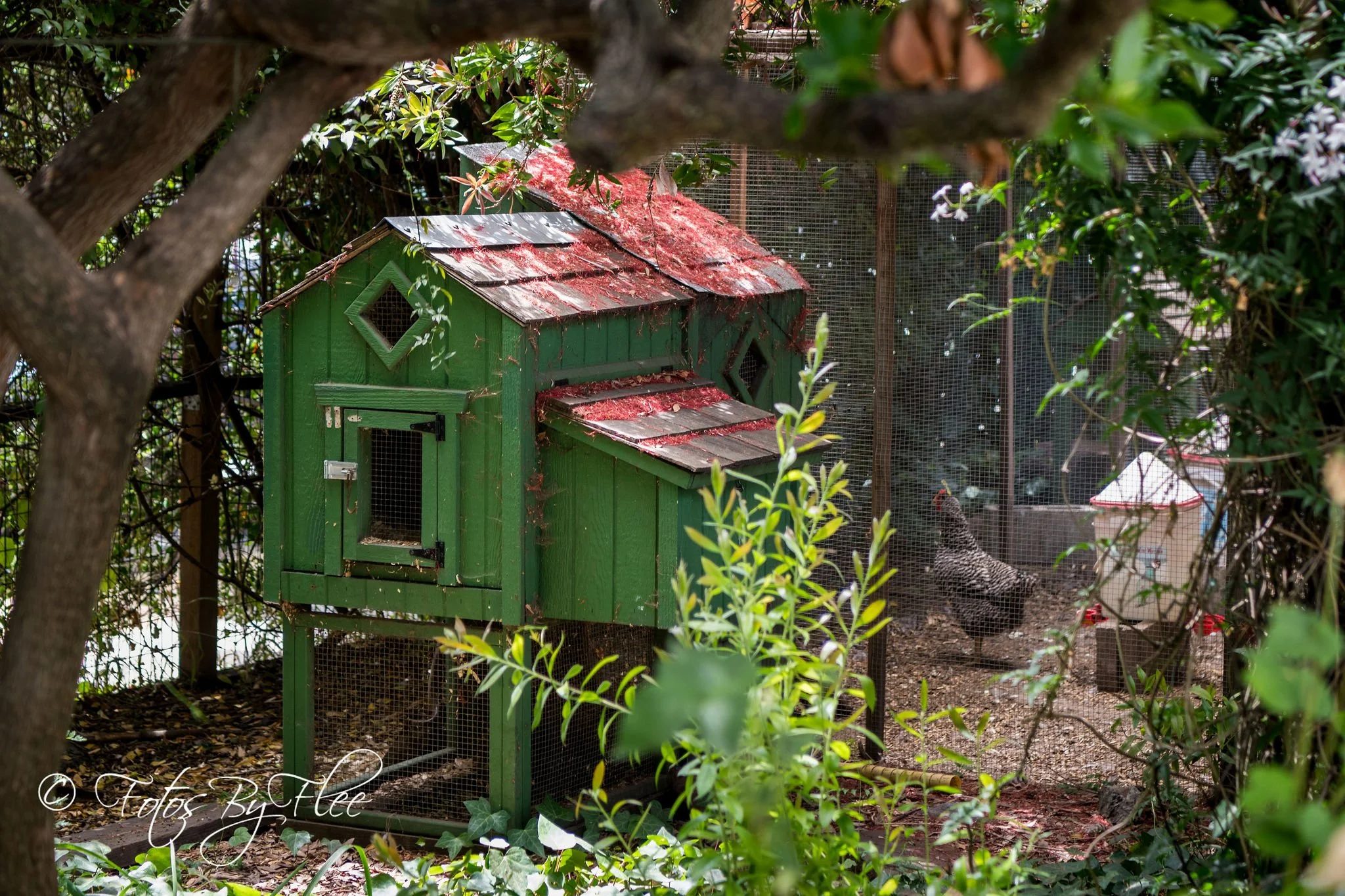
Once a property enters the Commons, it is stewarded using long-term affordability tools — including Community Land Trust structures — to ensure it remains accessible to artists over time.
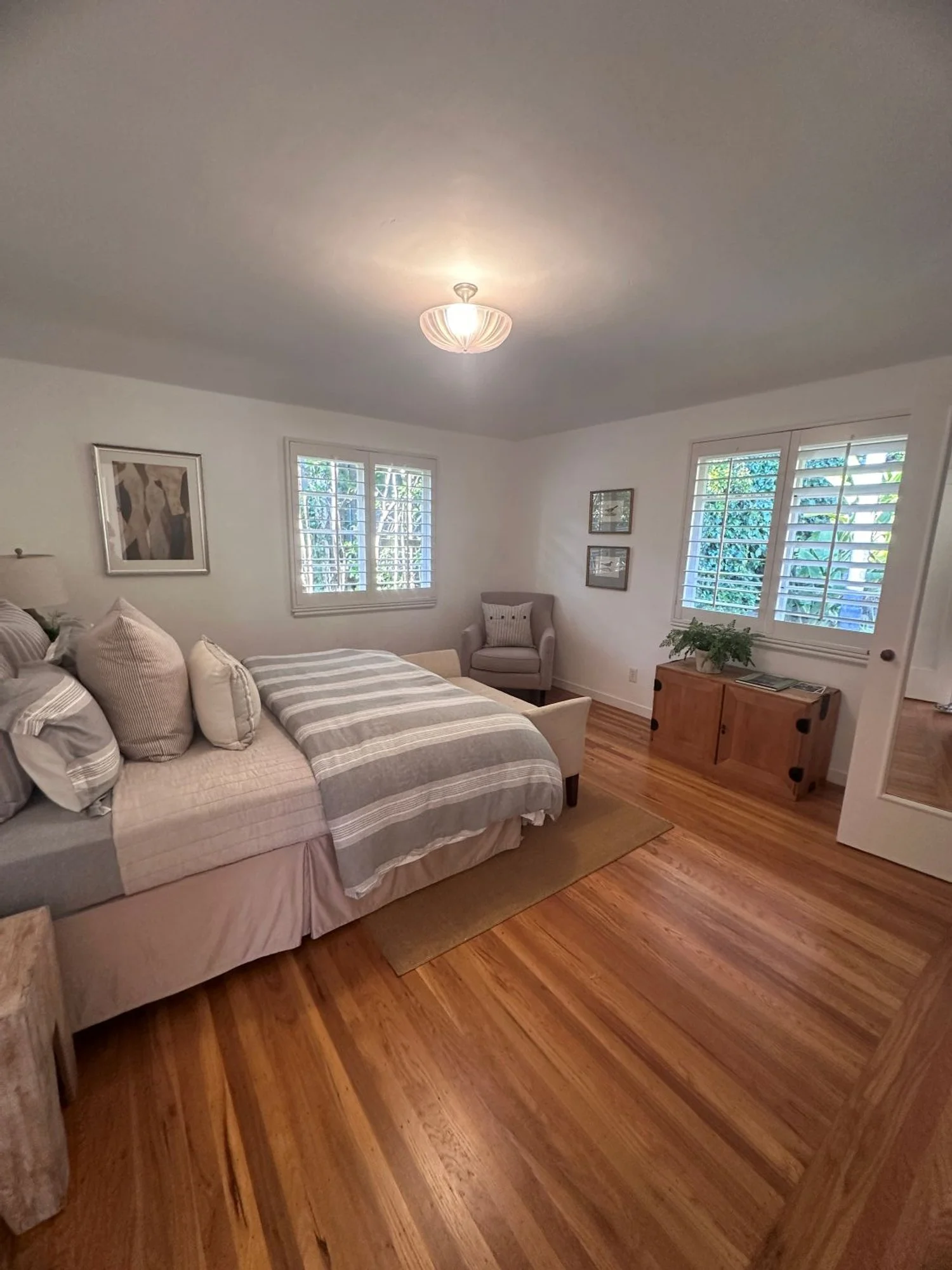
The specific structure of each home or building depends on the pathway, funding source, and resident needs. Detailed information about homeownership, shared equity, and stewardship responsibilities is outlined in our housing pages.
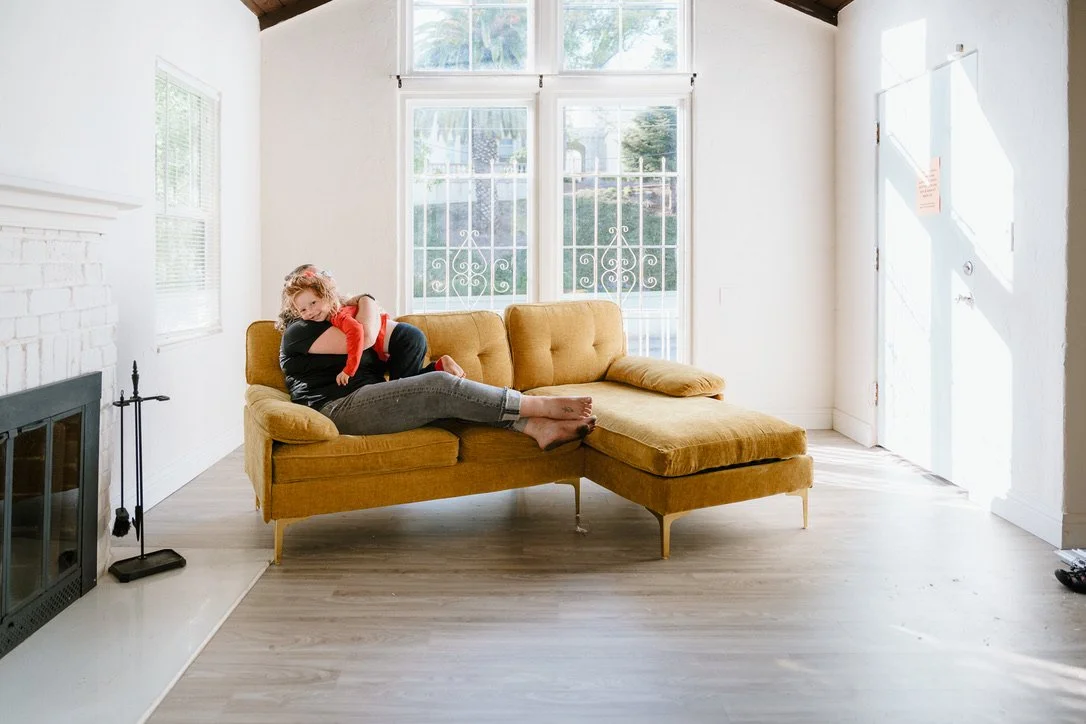
Photo credit: Flee Kieselhorst, C. Wagner Photography

What About Equity?
Homeownership through a Community Land Trust allows artists to build equity while keeping homes affordable for future generations. Equity growth is designed to be stable and predictable, balancing individual benefit with long-term community care.
Learn more about CLT homeownership and equity →
What Makes a CLT Different
Unlike conventional private land ownership, which often prioritizes individual profit, a Community Land Trust functions as a public trust.
CLTs ensure that land:
Remains affordable
Serves community needs
Is protected from market pressures
CLTs may steward:
Single-family homes
Multi-unit buildings
Cooperative housing
Commercial or cultural space
Agricultural or natural land
The form may vary, but the purpose remains the same: land in service of community well-being.
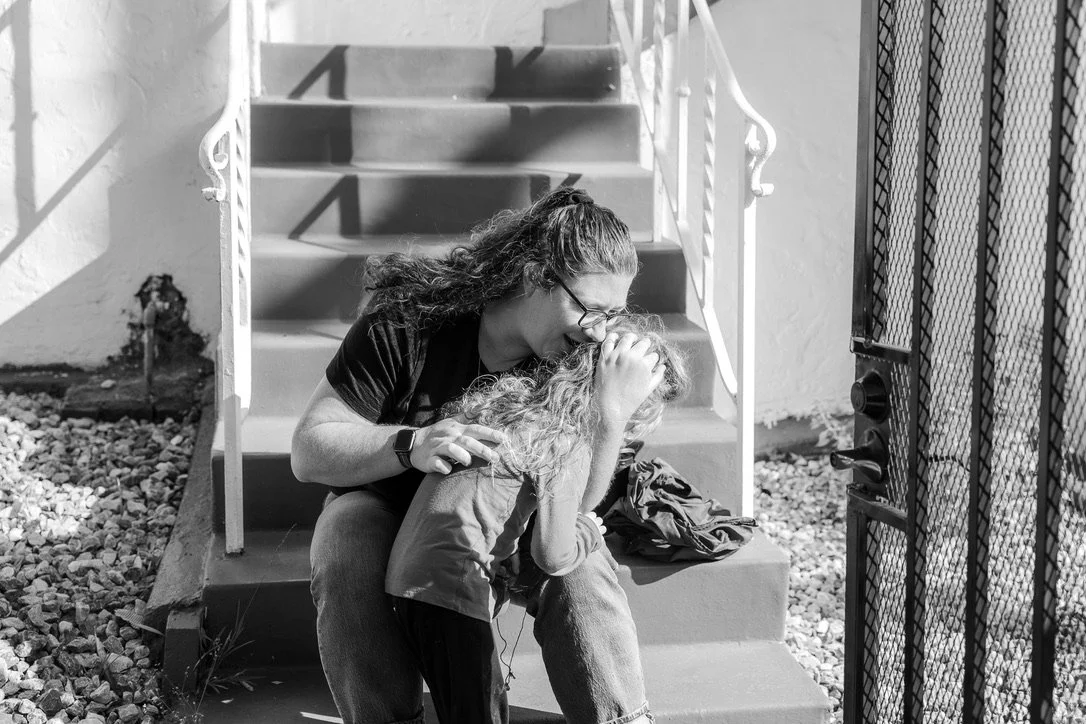
Image of Flee and child by C. Wagner Photography
Why CLTs Matter
Community Land Trusts are a proven tool for:
Permanent affordability
Community control
Resident stability
Displacement prevention
Long-term pathways to homeownership
This is why the CLT model sits at the heart of Artist Space Trust’s work — and why it remains a powerful foundation for the Artist Housing Commons.
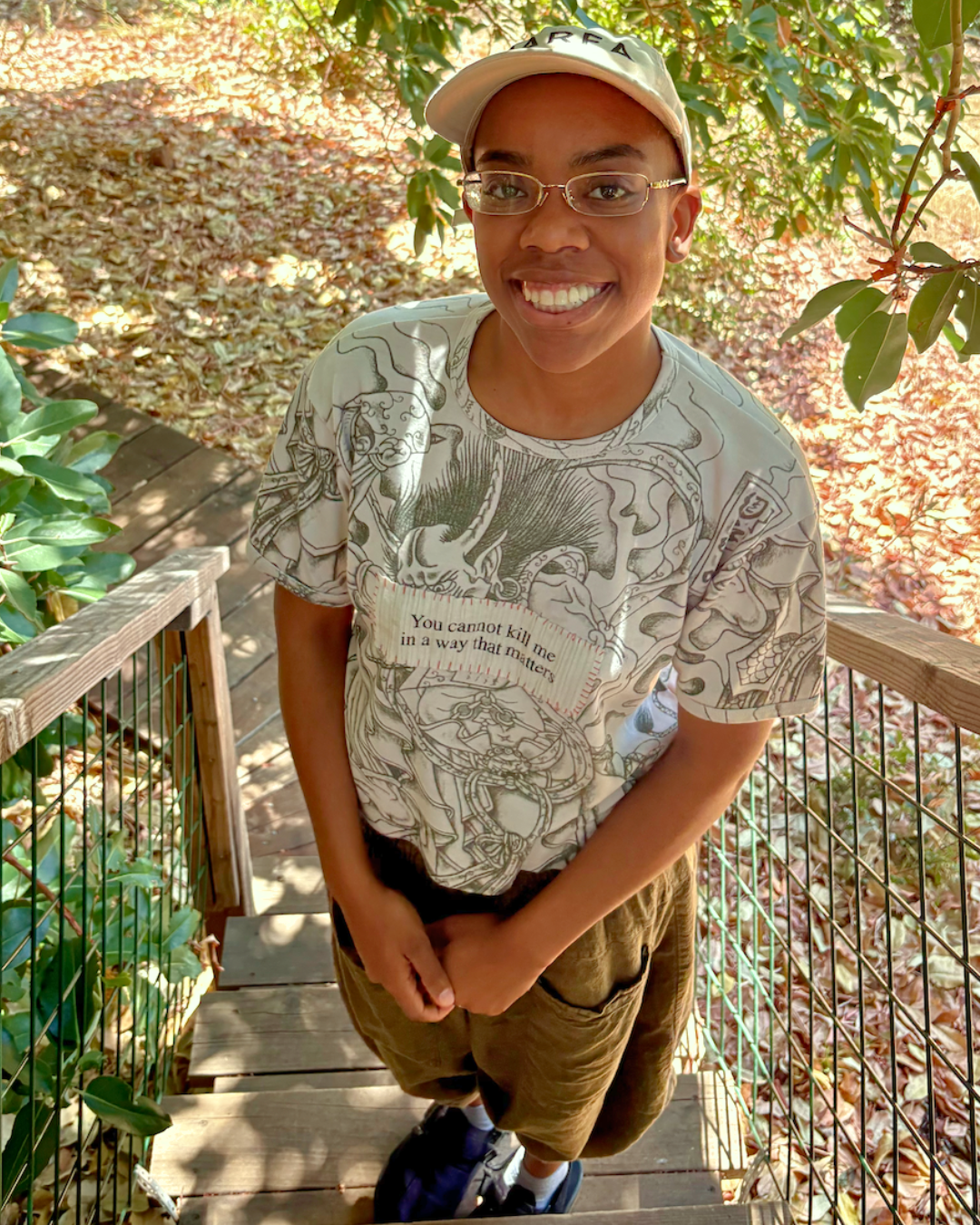
Jaelynn Walls, New Homeowner
“Having the opportunity to own a home as a writer and artist in the Bay Area has been undoubtedly life changing. The stability of homeownership has allowed me to have a safe, comfortable place to create work and hold space for my community. I highly recommend Bay Area artists pursue this opportunity through Artist Space Trust and take advantage of this truly transformative program.”